CPR App – Lifesaving in Your Pocket
As our world continues to advance technologically, it’s no surprise that there are apps available for download on your smartphone that have been designed to improve cardiac arrest survival rates.
Read moreSpanish River Community High School, Countess de Hoernle Theater –5100 Jog Road, Boca Raton – Saturday, August 29, 2026

As our world continues to advance technologically, it’s no surprise that there are apps available for download on your smartphone that have been designed to improve cardiac arrest survival rates.
Read more
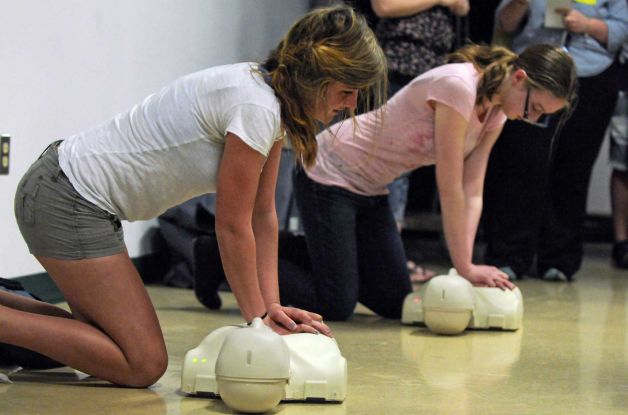
Four out of five cardiac arrests occur at home, and failure to act in such an emergency can lead to death. The American Heart Association is looking to decrease the chances of death from cardiac arrest by implementing a program called the CPR in Schools Training Kit.
Read more

The American Heart Association’s Non-valvular Atrial Fibrillation Course is an eLearning course targeted for physicians, nurses, and pharmacists in Cardiology and Electrophysiology.
Read more
On June 8, 2015, Mike Brodzinski, a 16-year old from Pennsylvania, was in the middle of a recreation baseball game when he realized that the game’s umpire had collapsed. As a volunteer firefighter, Brodzinski took his training, and put it to use and helped save a life.
Read more

The American Heart Association offers Emergency Cardiac Care programs with the hope of increasing survival rates and the quality of life for victims of stroke and heart attack. Emergency Cardiac Care programs educate more than 12 million people every year by training healthcare providers, caregivers, and the general public on how to respond to these medical emergencies.
Read more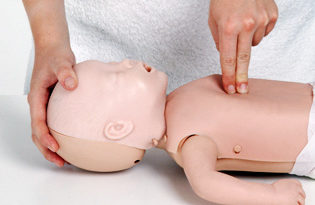
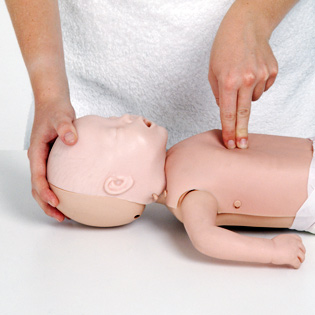
When it comes to Cardiopulmonary Resuscitation (CPR), it does differ between infants, children, and adults. Choking is the number one cause of unintentional death in infants. It’s important to be prepared on how to administer CPR to an infant in case you are ever in a situation that requires it. Below are the steps for CPR for an infant if he or she is not breathing.
Read more

With the continuous improvement and training of CPR and first aid techniques, the survival rate of those suffering from sudden cardiac arrest is increasing. Every five years, guidelines on how rescuers should perform first aid and basic life supporting techniques are reviewed and updated.
Read more
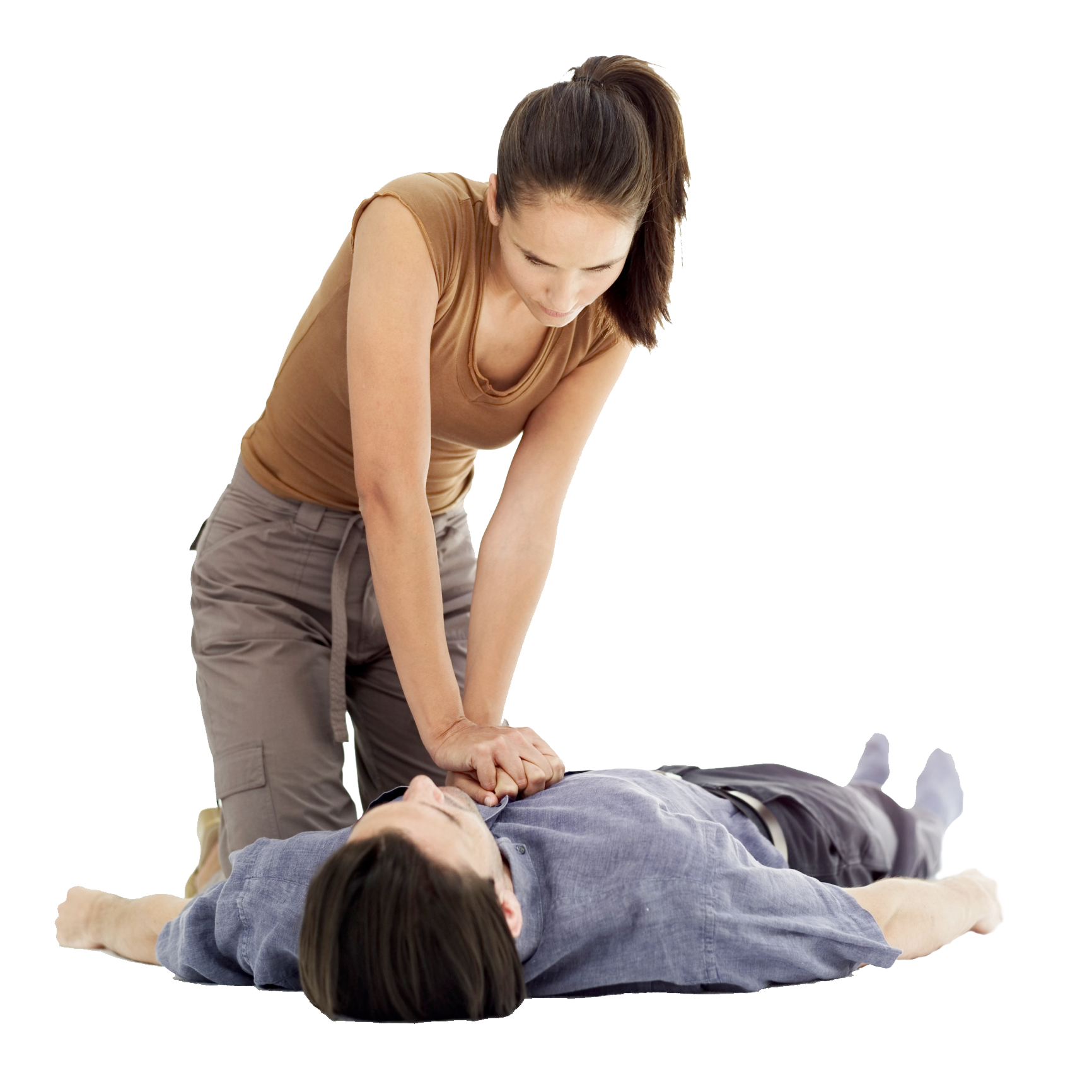
According to the 2010 American Heart Association Guidelines for Cardiopulmonary Resuscitation and Emergency Cardiovascular Care, there are 5 critical components of performing high quality cardiopulmonary resuscitation (CPR): minimize interruptions in chest compressions, provide compressions of adequate rate and depth, avoid leaning between compressions, and avoid excessive ventilation.
Read more
Seventy percent of Americans may feel helpless to act during a cardiac emergency because they either do not know how to administer CPR or their training has significantly lapsed.
Read more
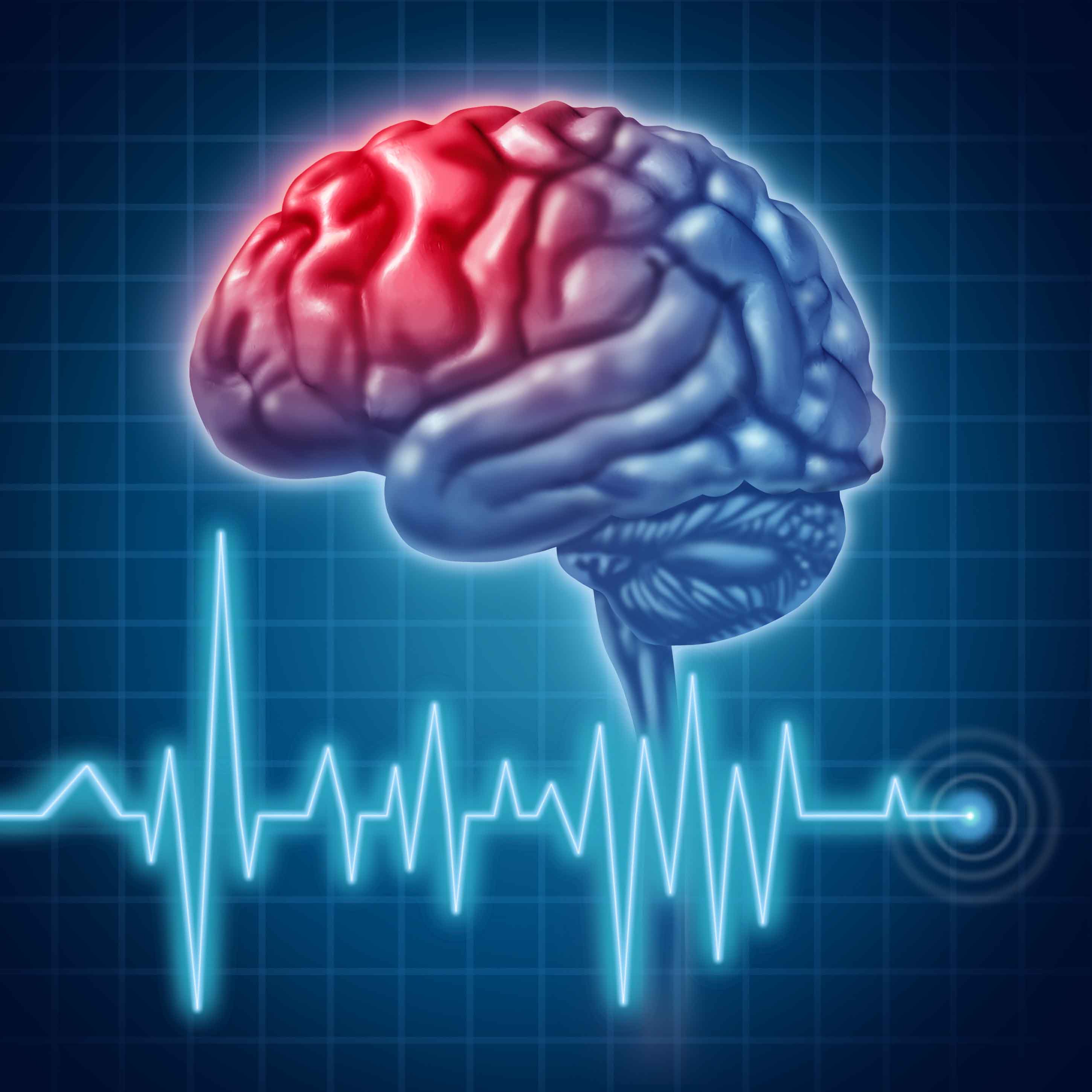
Stroke is a leading cause of death in the United States, taking nearly 130,000 American lives each year. High blood pressure, high cholesterol, and smoking are major risk factors for stroke. About half of Americans have at least one of these three risk factors.
Read more