The Future of Medical Assisting: Emerging Technologies and Trends to Watch Out For
The healthcare industry is undergoing a significant transformation, driven by technological advancements and innovative practices. One key area that has witnessed substantial growth and change is medical assisting. Traditionally seen as support staff, medical assistants are now at the forefront of integrating technology into healthcare delivery, making their role more dynamic and essential than ever. Let’s delve into the emerging technologies and trends that are shaping the future of medical assisting, as well as the evolving skills and responsibilities required for professionals in this field.
Technological Advancements Revolutionizing Medical Assisting
Recent years have seen a surge in digital health innovations, transforming how medical assistants perform their duties. From electronic health records (EHRs) to telehealth platforms, technology has become an integral part of the healthcare ecosystem. Four key advancements are revolutionizing medical assisting:
- Electronic Health Records (EHRs)
EHRs have streamlined patient information management, making it easier for medical assistants to access and update patient data quickly and accurately. With EHRs, patient histories, test results, and treatment plans can be securely stored and accessed, reducing paperwork and minimizing errors. Medical assistants now play a crucial role in ensuring that patient data is accurately recorded and maintained, facilitating better communication between healthcare providers.
- Telehealth and Remote Patient Monitoring
The rise of telehealth has expanded the role of medical assistants. 54% of Americans have had a telehealth visit in 2024. They are now responsible for assisting with virtual consultations, setting up telemedicine platforms, and guiding patients through remote care procedures. Additionally, remote patient monitoring devices allow medical assistants to collect vital signs and other health metrics from patients who are not physically present, enabling continuous monitoring and timely interventions. Wearable devices, such as fitness trackers and smartwatches, allow patients to monitor their health parameters in real time.
- Artificial Intelligence (AI) and Automation
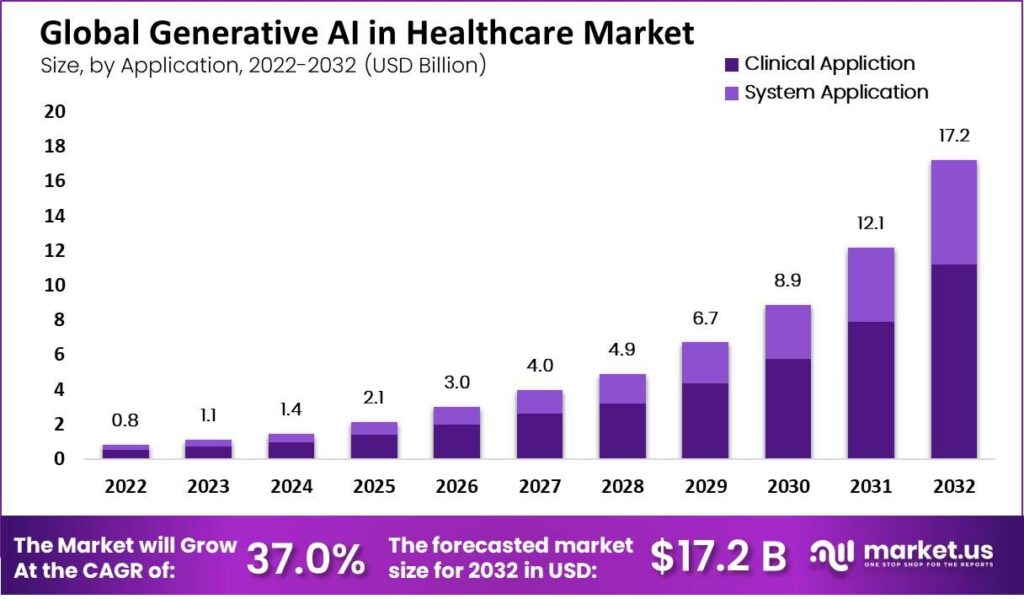
The market for global generative AI in healthcare is expected to reach $17.2 billion by 2032. Obviously, AI is making significant strides in healthcare, offering automated solutions for routine tasks such as scheduling appointments, billing, and patient follow-ups. Medical assistants can now leverage AI-powered tools to manage administrative tasks more efficiently, allowing them to focus on patient care. AI also aids in diagnostic processes, where medical assistants can help prepare and input data for AI analysis, contributing to faster and more accurate diagnoses.
- Mobile Health Applications
Mobile health (mHealth) apps have become a vital tool for patient engagement and education. Medical assistants can help patients navigate these apps, providing guidance on how to track their health conditions, schedule appointments, and access educational resources. By empowering patients to manage their health, medical assistants play a crucial role in promoting preventive care and chronic disease management.
Evolving Roles and Skills for Medical Assistants
As technology continues to reshape healthcare, the role of medical assistants is evolving beyond traditional responsibilities. Today, medical assistants are required to be tech-savvy, adaptable, and knowledgeable about various digital health tools.
Patient Communication and Education
Medical assistants are often the first point of contact for patients, making their communication skills crucial. As healthcare becomes more digital, medical assistants must be able to guide patients through virtual consultations, teach them how to use health apps, and explain the benefits of digital therapeutics. Strong communication skills are vital to ensuring that patients feel comfortable and informed when using new healthcare technologies.
Data Analytics and Interpretation
The ability to analyze and interpret health data is becoming increasingly important for medical assistants. With the influx of data from wearable devices, EHRs, and other digital platforms, medical assistants can assist healthcare providers in identifying patterns, monitoring patient progress, and making data-driven decisions. Developing basic skills in data analytics can enhance a medical assistant’s ability to contribute to patient care.
The Future of Medical Assisting
The future of medical assisting is bright, with emerging technologies opening up new possibilities for improved healthcare delivery. From digital health tools that enhance patient care to AI-driven solutions that streamline administrative tasks, these innovations are transforming the role of medical assistants. However, with these advancements comes the need for medical assistants to upskill and adapt to new technologies. By staying informed about the latest trends and acquiring the necessary technical skills, medical assistants can continue to be valuable assets in the healthcare industry.
As the healthcare landscape evolves, medical assistants will play a pivotal role in bridging the gap between technology and patient care. Their ability to integrate digital solutions into everyday practice will not only improve workflow efficiencies but also enhance the overall patient experience. The future of medical assisting is undoubtedly tech-driven, and those who embrace these changes will be well positioned to succeed in this dynamic and evolving field.
Discover how HCI College can help you train to become a medical assistant.
If you found this article interesting, please share it with your friends.