Is Becoming a Medical Assistant Worth It? Pros, Cons, and Career Pathways
Healthcare careers continue to attract people looking for stability, purpose, and long-term growth. Among the many entry-level options, a medical assistant career stands out as one of the most accessible ways to step into the field. But as healthcare evolves in 2026, many prospective students are asking an important question: Is becoming a medical assistant still worth it?
The answer depends on what you’re looking for in a career. Understanding the demand, benefits, limitations, and future pathways can help you decide whether a medical assistant career aligns with your goals.
Why Medical Assisting Is in Demand
Medical assistants play a key role in keeping healthcare settings efficient and patient-centered. As more care shifts toward outpatient clinics, urgent care centers, and specialty practices, the need for trained support staff continues to grow. Employment of medical assistants is projected to grow around 12%–15% through the next decade, much faster than the average for all occupations, reinforcing a strong medical assistant career outlook.
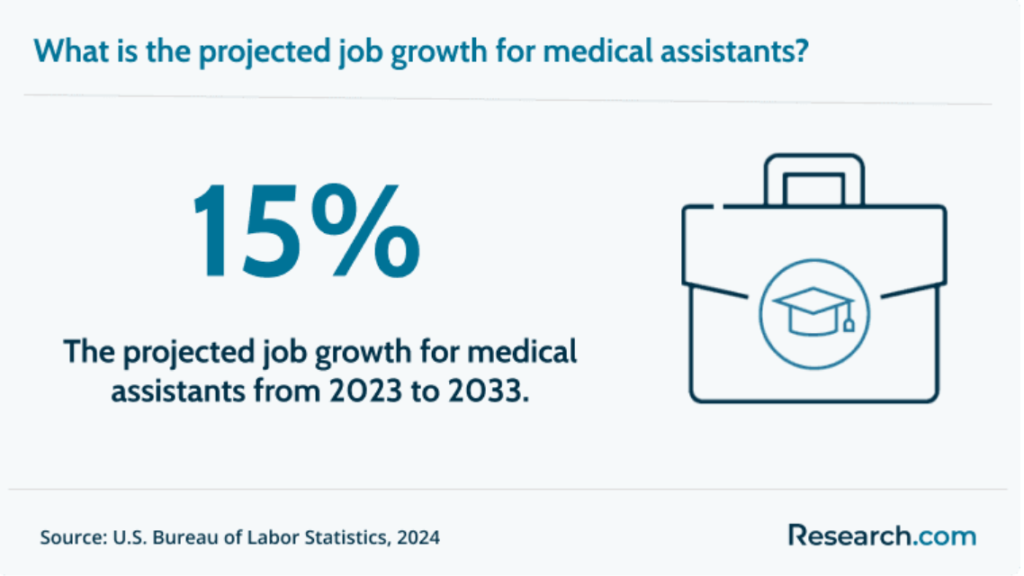
[Alt text: Graphic showing projected 15% job growth for medical assistants between 2023 and 2033.]
Several factors are driving this demand. An aging population requires more routine medical visits and chronic care management. At the same time, healthcare providers are under pressure to see more patients without sacrificing quality. Medical assistants help bridge that gap by handling a mix of clinical and administrative responsibilities that allow physicians and nurses to focus on diagnosis and treatment.
Technology has also increased the value of the medical assistant career. With electronic health records, digital scheduling, and patient portals becoming standard, practices need professionals who can manage both patient care and healthcare systems efficiently.
5 Pros of a Medical Assisting Career
A career as a medical assistant offers several practical advantages for students entering allied health. Below are some of the key benefits that make medical assisting a compelling option for individuals who want to work in healthcare.
- Faster Entry Into the Healthcare Workforce
Medical assisting offers a relatively quick pathway into healthcare compared to many other clinical roles. Students who want to start working sooner often choose this route because training programs are shorter, allowing them to transition from classroom learning to a clinical environment within a limited timeframe, such as joining a primary care clinic within a year of enrollment.
- Varied and Engaging Daily Responsibilities
Medical assistants perform a mix of clinical and administrative tasks, which helps keep the workday dynamic. In many clinics, a medical assistant may begin the day by taking vital signs and preparing exam rooms, and later transition to updating electronic health records or scheduling follow-up appointments. This variety prevents the work from feeling repetitive.
- Consistent Job Stability Across Healthcare Settings
Medical assistants are needed in nearly every type of healthcare facility, which means flexibility and stability. For example, someone who starts in a family practice may later move into a specialty clinic or urgent care center without needing an entirely new skill set.
In fact, most medical assistants work in physicians’ offices, while many others are employed in hospitals and outpatient care centers, giving professionals the ability to move across settings as their interests or circumstances change.
- Meaningful Patient Interaction and Support
Medical assistants often build rapport with patients by guiding them through visits and answering basic questions. This might involve calming an anxious patient before an exam or explaining the next steps after a procedure, making the role personally rewarding for those who value human connection.
This level of interaction makes the medical assistant career especially appealing to individuals who value hands-on patient care.
- Strong Foundation for Future Healthcare Careers
The hands-on experience gained as a medical assistant offers valuable insight into how healthcare teams operate. Many professionals view medical assisting as part of a longer medical assistant career path that may include specialization or further education in nursing or healthcare administration.
The Cons: Challenges to Consider
Like any healthcare role, working in a medical assistant career comes with challenges that are important to understand before committing to a program. Reviewing these considerations can help students set realistic expectations and decide whether this path aligns with their long-term goals.
Limited Salary Growth Without Further Education
While medical assisting provides a stable income, long-term earning potential is often capped without advancement. Someone hoping to significantly increase their salary may eventually need to pursue additional certifications or degrees to move into higher-paying roles.
Physically Demanding Work Environment
Medical assisting often requires long hours on your feet and constant movement throughout the clinic. In busy practices, a medical assistant may move continuously between exam rooms, labs, and administrative areas, which can be tiring over time.
Emotional and Mental Strain
Working closely with patients means encountering stress, anxiety, and illness on a regular basis. Medical assistants may need to remain calm and professional while assisting patients who are frustrated by wait times or worried about their health.
Limited Autonomy in Clinical Decision-Making
Medical assistants work under supervision and follow established protocols. For individuals who want independence, the reality of supporting physicians and nurses, rather than making clinical decisions themselves, may begin to feel restrictive.
Upfront Investment in Training and Certification
Although programs are shorter than many healthcare degrees, students should be prepared for the time and financial commitment required to begin a medical assistant career.
Career Growth and Pathways Beyond Medical Assisting
Medical assisting often serves as a stepping stone rather than a final destination. With experience, medical assistants may specialize in specific fields such as pediatrics, cardiology, or dermatology, further shaping their medical assistant career path.
Others use their MA background to pursue advanced healthcare roles, including nursing or healthcare administration. The exposure to patient care, clinical workflows, and medical terminology makes transitioning into further education more informed and intentional.
How to Decide If Becoming a Medical Assistant is Right for You
Medical assisting can be a strong fit for individuals seeking a faster entry into healthcare, consistent job demand, and meaningful patient interaction. It is especially suitable for those exploring healthcare careers or planning to advance later.
However, if your long-term goals include higher earning potential or independent clinical authority, medical assisting may be best viewed as a starting point rather than a permanent endpoint. So, is becoming a medical assistant worthwhile in 2026? It depends on how well the role fits your expectations and career plans.
Ready to take the next step? Learn more about how our programs can help you build your career in healthcare.
If you found this article interesting, please share it with your friends.